Dr. Musa Mohammed Musa
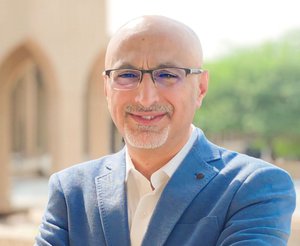
Professor, Chairman of the Chemistry Department
The research in Dr. Musa M. Musa’s laboratory focuses on developing innovative biocatalytic strategies for producing highly pure chiral molecules, key building blocks in pharmaceuticals, fine chemicals, and advanced materials.
📍 Bldg. 4-145 | Bldg. 4-225
☎ (+966) 13 860 2231 / 7343
🔗 ORCID: 0000-0001-8191-6077
🔗 Scopus: 15760274100
Research Area
⬡ Asymmetric Synthesis
⬡ Biocatalysis
⬡ Bioorganic Chemistry
⬡ Enzyme Encapsulation
Deracemization of Alcohols
The group designs enzyme-driven deracemization and stereoinversion processes, enabling the conversion of racemic mixtures into single, high-value enantiomers using environmentally friendly methods. The lab also explores one-pot and multi-enzyme cascade reactions, where engineered enzymes work sequentially or concurrently to carry out oxidation–reduction cycles with exceptional selectivity. These efforts have led to new concepts in cyclic deracemization, stereoinversion, and tandem enzymatic transformations, using orthogonal cofactor systems and enzyme stabilization techniques to enhance efficiency and operational simplicity.
Overall, Dr. Musa’s research advances the field of sustainable biocatalysis, demonstrating how engineered enzymes can replace traditional chemical methods to deliver cleaner, more efficient, and highly selective synthetic routes.
Tuning the Substrate Scope and Stereopreference of Alcohol Dehydrogenases
Our research focuses on engineering alcohol dehydrogenases (ADHs) to expand their substrate scope and precisely control stereopreference and stereoselectivity in the asymmetric reduction of ketones. By modifying key active-site residues in Thermoanaerobaccter pseudethanolicus secondary ADH (TeSADH), we have created enzyme variants that switch between Prelog and anti-Prelog selectivity, enabling the production of either enantiomer of valuable chiral alcohols.
These engineered mutants show broadened substrate acceptance, including halogenated and sterically demanding ketones, and allow efficient routes to optically pure alcohols and halohydrins important in pharmaceutical and fine-chemical synthesis. The ability to generate enantiocomplementary mutants also opens the door to advanced biocatalytic strategies such as dynamic kinetic resolution, stereoinversion, and cyclic deracemization.
Overall, this work demonstrates how targeted ADH engineering can create highly selective, versatile biocatalysts for greener and more efficient production of chiral building blocks.
Enzyme Encapsulation
Enzyme encapsulation enhances their stability, solvent tolerance, and reusability. This strategy enables efficient asymmetric reductions in organic media, granting access to hydrophobic, water-insoluble substrates and allowing higher substrate concentrations, an advantage for large-scale synthesis. We employ encapsulated enzymes to increase their compatibility with other biocatalysts, enabling multi-enzyme cascade reactions.
Education
✔︎ Postdoc: University of Minnesota, 2007-2009
✔︎ PhD: University of Georgia, 2007
✔︎ MSc: Jordan University of Science and Technology, 2000
✔︎ BSc: Yarmouk University, 1997
- Abuzenah, H.; Abdulrasheed, M.; Sardauna, A. E.; Al-Qataisheh, B.; Musa, M. M.*; “Harnessing Alcohol Dehydrogenases in Organic Reaction Cascades: A Strategy for Enhanced Efficiency in Synthetic Organic Chemistry”, Catalysts 2025, 15, 223.
- Abdulrasheed, M.; Sardauna, A. E.; Al-Haffar, M.; Takahashi, M.; Takahashi, E.; Hamdan, S. M.; Musa, M. M.* “Enantiocomplementary Asymmetric reduction of α-haloacetophenones by Thermoanaerobacter pseudoethanolicus secondary alcohol dehydrogenase”, ACS Omega 2024, 9, 35046–35051.
- Sardauna, A. E., Abdulrasheed, M.; Takahashi, M.; Takahashi, E.; Hamdan, S. M.; Musa, M. M.* “Switching the Stereopreference of TeSADH: Enabling Anti‐Prelog Asymmetric Reduction of Aryl‐Ring‐Containing Ketones”, European Journal of Organic Chemistry, 2024, 27, e202400366.
- Wu, Y.; Hollmann, F.; Musa, M. M.*; “Oxidation of Cyclohexane to Cyclohexanol/Cyclohexanone Using Sol-Gel-Encapsulated Unspecific Peroxygenase from Agrocybe aegerita” ChemistryOpen 2024, e202400152.
- Sardauna, A. E., Abdulrasheed, M.; Nzila, A., Musa, M. M.* “Biocatalytic asymmetric reduction of prochiral bulky-bulky ketones”, Molecular Catalysis, 2023, 541, 113099.
- Musa, M. M.* “Alcohol Dehydrogenases with anti-Prelog Stereopreference in Synthesis of Enantiopure Alcohols”, ChemistryOpen, 2022, e202100251.
- Musa, M. M.* “Racemization of enantiopure alcohols using two mutants of Thermoanaerobacter pseudoethanolicus secondary alcohol dehydrogenase”, ChemistrySelect, 2021, 6, 13261-13264.
- Musa, M. M.*; Vieille, C.; Phillips, R. S. “Secondary alcohol dehydrogenases from Thermoanaerobacter pseudoethanolicus and Thermoanaerobacter brockii as robust catalysts” ChemBioChem, 2021, 22, 1884–1893.
- Nafiu, S.; Takahashi, M.; Takahashi, E.; Hamdan, S. M.; Musa, M. M.* “Simultaneous cyclic deracemisation and stereoinversion of alcohols using orthogonal biocatalytic oxidation and reduction reactions”, Catalysis Science & Technology, 2020, 10, 8213–8218.
- Nafiu, S.; Takahashi, M.; Takahashi, E.; Hamdan, S. M.; Musa, M. M.* “Deracemization and Stereoinversion of Alcohols Using Two Mutants of Secondary Alcohol Dehydrogenase from Thermoanaerobacter pseudoethanolicus”, European Journal of Organic Chemistry, 2020, 2020 (30), 4750–4754.
- Musa, M. M.* “Enzymatic racemization of alcohols and amines: An approach for bi-enzymatic dynamic kinetic resolution”, Chirality, 2020, 32, 147–157.
- Musa, M. M.*; Hollmann, F.*; Mutti, F.* “Synthesis of enantiomerically pure alcohols and amines via deracemization methods”, Catalysis Science & Technology, 2019, 9, 5487–5503.
- Musa, M. M.*; Bsharat, O.; Karume, I.; Vieille, C.; Takahashi, M.; Hamdan, S. M. “Expanding substrate specificity of Thermoanaerobacter pseudoethanolicus secondary alcohol dehydrogenase by dual site mutation”, European Journal of Organic Chemistry, 2018 (6), 798–805.
Dr. Jabir Khan has recently joined Dr. Musa’s research group as a Postdoctoral Fellow, where he will support the team’s ongoing research in biocatalysis and advanced enzyme-driven processes.
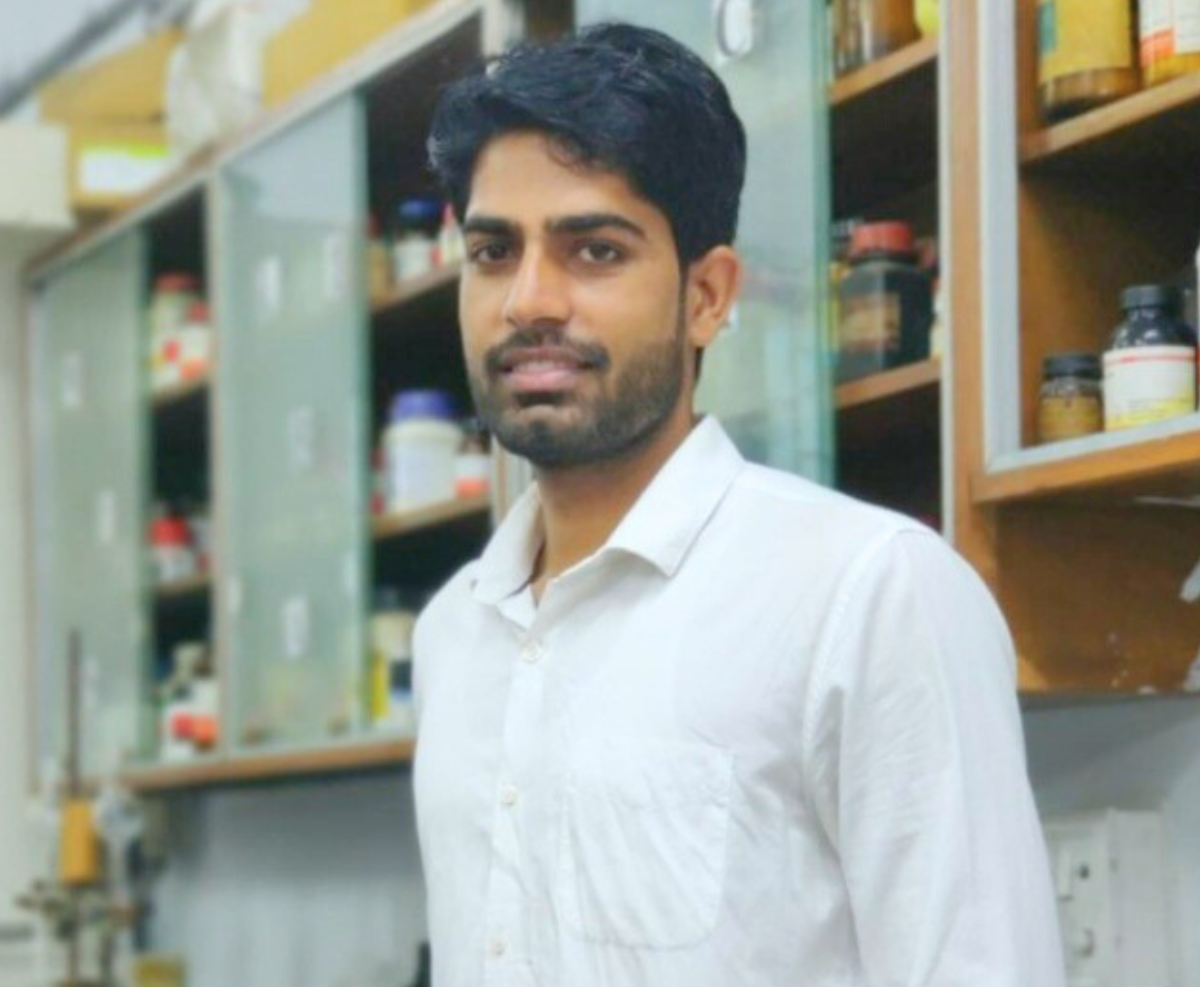
Dr. Jabir Khan
Postdoc Fellow
Heba Abuzenah joined my lab in September 2023, where she explores biocatalytic deracemization through innovative enzymatic tools. With a background in pharmaceutical chemistry, she enjoys bridging molecular insight with practical, enzyme-driven solutions.
Heba Abuzenah
PhD Student
Bayan Al-Qataishah is a PhD student in my research group, contributing to our efforts in enzyme engineering and sustainable biocatalytic transformations.
Bayan Al-Qataisheh
PhD Student
Muhammad Abdulrasheed is a PhD student working in my group, where he supports research focused on developing efficient enzymatic systems and advanced biocatalytic strategies.
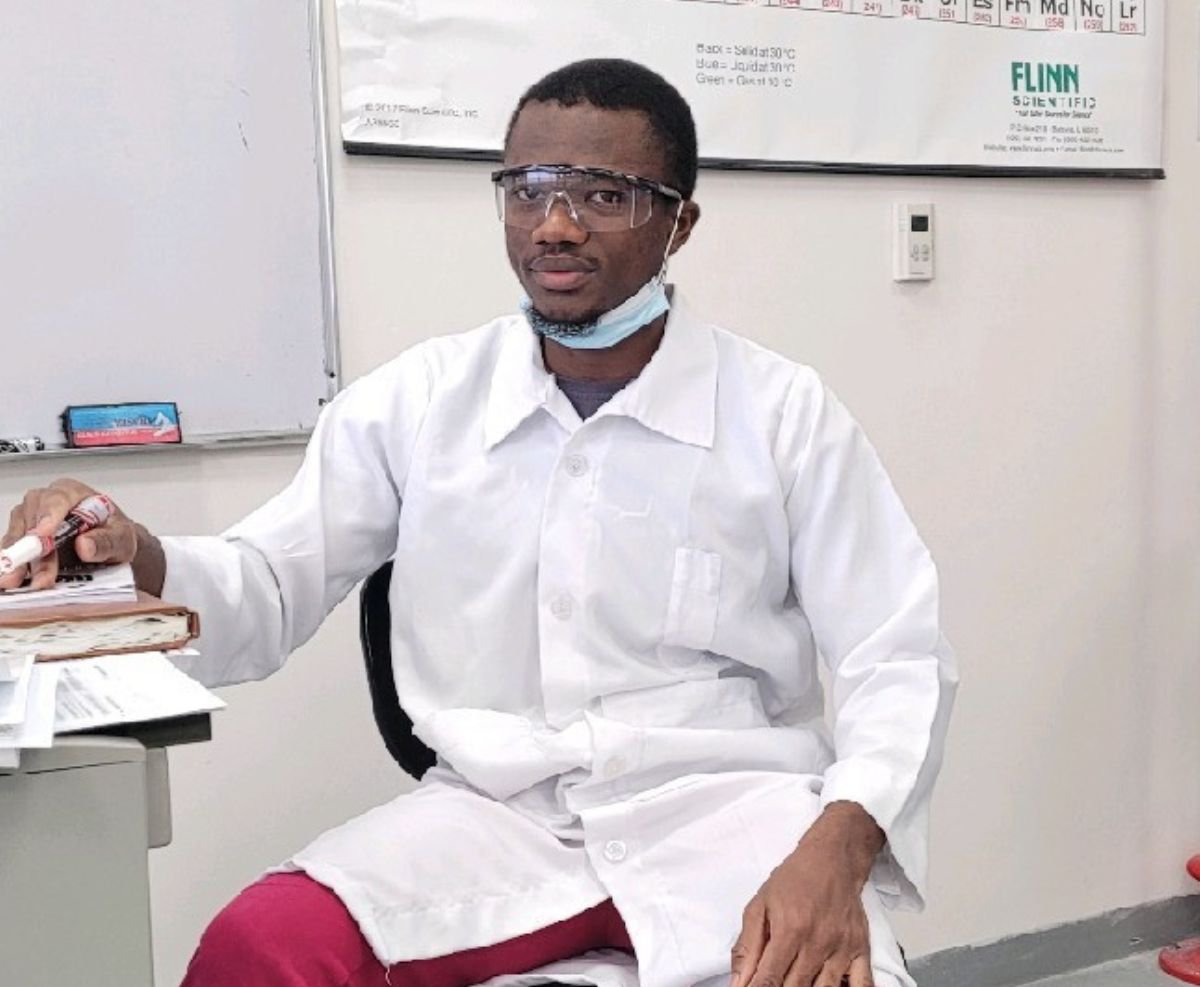
Muhammad Abdulrasheed
PhD Student
Auwal Eshi Sardauna is a PhD student in my group, actively participating in projects involving biocatalysis and enzyme-driven synthetic methodologies.
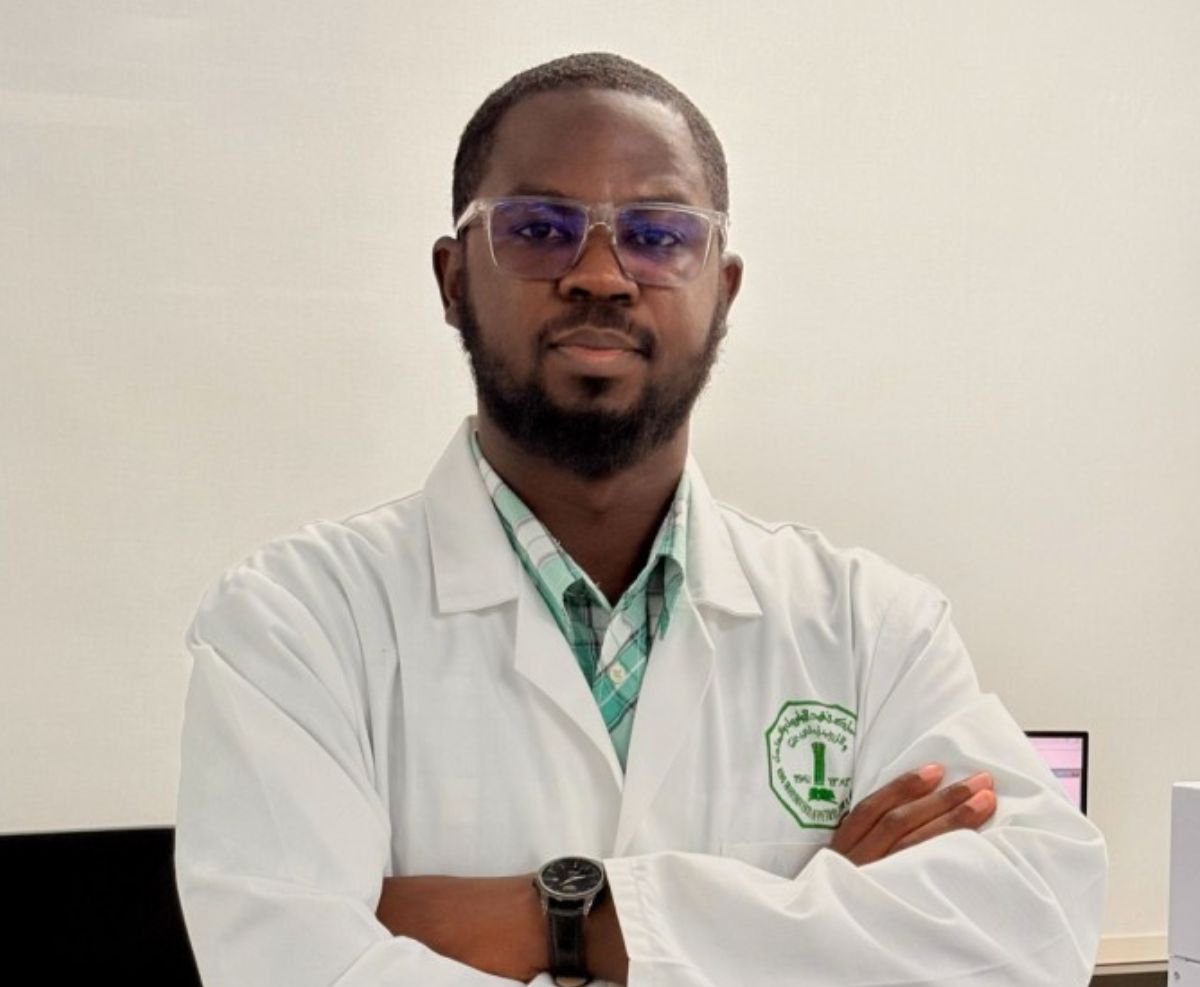
Auwal Eshi Sardauna
PhD Student
| Undergraduate Courses Taught |
|---|
|
• CHEM 101: General Chemistry I (Lectures, Recitations, and Laboratory). • CHEM 201: Organic Chemistry I • CHEM 204: Organic Chemistry II • CHEM 202: Organic Chemistry II LAB • CHEM 305: Organic Synthesis and Characterization Laboratory • CHEM 402: Structure and Mechanisms in Organic Chemistry • CHEM 406: Spectroscopic Identification of Organic Compounds |
| Graduate Courses Taught |
|---|
|
• CHEM 503: Organic Reactions: Mechanism and Reactivity • CHEM 532: Synthetic Organic Chemistry • CHEM 539: Special Topics in Organic Chemistry (Asymmetric Synthesis) • CHEM 599 & CHEM 699: Graduate Seminar |